Column · @claytonnnck832
Is Bladder Leakage Permanent After Childbirth?
·Filed by @claytonnnck832
How To Manage Leakages Throughout And After Pregnancy National Organization For Continence Consuming less than the suggested quantity might cause dehydration. If the requirement to go to the restroom maintains you up during the night, attempt drinking more fluids throughout the day and cutting down a couple of hours before bed. Some ladies, nevertheless, continue to be incontinent for a lot longer after distribution. This is due to the fact that vaginal distribution impacts the pelvic flooring muscle mass and the nerves that influence bladder control. Pelvic muscle mass weaken and extend during and after pregnancy, which can trigger a loss of bladder control. This mix of the changes in the normal setting of the bladder and urethra and the damaged nerve signals might hinder the bladder feature with resulting pee leakage. Pelvic floor muscular tissue workouts, or kegels, are verified to help urinary incontinence-- both while pregnant and after birth. In one research study, females that educated their pelvic flooring muscles were 8 times more likely to report their incontinence cured than those who did not. Thom et al. published an organized evaluation with 33 studies on the prevalence of post-partum urinary incontinence. Any kind of disagreement on eligibility was fixed through discussion with a third reviewer. When you're expecting, the growing baby can place increasing stress on your pelvic structures and make you need to pee much more frequently and with even more seriousness. Typically, this loss of bladder control is gained back a few weeks after the birth of your infant. Walking, and lifting weights are the most essential foundations of all for healthy and balanced bone thickness and core security. Hormone adjustments (what else is brand-new?) throughout and after maternity can damage your bladder too. If, together with various other postpartum signs and symptoms like perineal pain and irregular bowel Nurse continence advisor movements, you're noticing that it's more challenging to manage your bladder after giving birth, you're not alone. Consuming alcohol small amounts of fluid many times throughout the day-- as opposed to a great deal of fluid simultaneously-- can assist handle leaking. If frequent nighttime urination is a trouble, do not consume liquids three to four hours prior to bed. The complete messages of these possibly eligible research studies were obtained and individually analyzed for eligibility by these two reviewers. Any difference on eligibility was solved through discussion with a third reviewer (BB).
Totally Free Bladder Control Supplies Via Insurance Policy
Two nerves, called the pudendal and the pelvic nerves, lie on each side of the birth canal within the muscles that are straight under the child's head. Since they are so near to the child's head, these nerves are especially at risk to the pressures of labor. The pudendal and pelvic nerves carry the signals from the brain to the muscle mass that hold the bladder and anus in place. If these nerves are injured, the signals meant for the muscle mass around the bladder, vaginal canal, and anus may not be transmitted appropriately. Without stimulation from the nerves, the pelvic muscular tissues, like any underused muscular tissue in the body, can come to be weak and flaccid. Some studies reveal modifications in the feature of these nerves in more than half of females adhering to vaginal delivery.- We might recommend medicines to unwind your bladder and reduce your overactive bladder symptoms.
- Certainly, there may be extra issues or health and wellness problems that need medical aid.
- It might take a month or longer for various treatments to begin working.
Postpartum Urinary Incontinence: Reasons, Treatments, And Pelvic Exercises For Relief
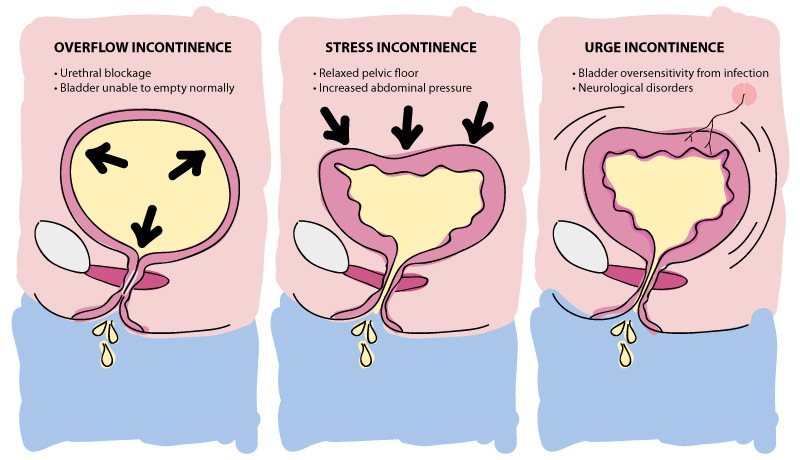
Urinary incontinence happens when you involuntarily release pee. Some women deal with this delicate concern while pregnant or as they age. Some females also have what's called "tension incontinence," which is a sort of urinary incontinence that can be experienced during and after pregnancy. In this instance, the bladder sphincter has shed some feature because of the continuous boost in stress, making it challenging to hold in pee. Labor involves prolonged, often strong, pushing and birthing down.What does a postpartum bladder prolapse feel like?
you have achy discomfort in your pelvic region or back. Giggle incontinence you have trouble going to the bathroom. You may need to urinate a lot, have problem emptying your bladder or digestive tract, or pee inadvertently.
— 30 —