Column · @claytonnnck832
Age Areas
When To See A Skin Doctor For Age Spots And Skin Problems
While generally misinterpreted for moles, melasma or other precancerous coloring, age spots are not a forerunner to cancer and are not unsafe to your wellness. They can, nevertheless, affect a person's cosmetic look specifically gradually as the areas start to increase in number and darken. To prevent age areas or maintain them from getting worse, avoiding extended sunlight direct exposure and regularly using a broad-spectrum (UVA and UVB) sun block is suggested. Using UV-blocking apparel and a broad-brimmed hat will certainly offer extra protection. Comparable to blemishes, age places come in a wide range of sizes and can appear anywhere on the body. Nevertheless, they are extra common in locations that get great deals of sun direct exposure, like the hands, face, shoulders, and arms.Skin Cancer

When Should I See A Skin Doctor?
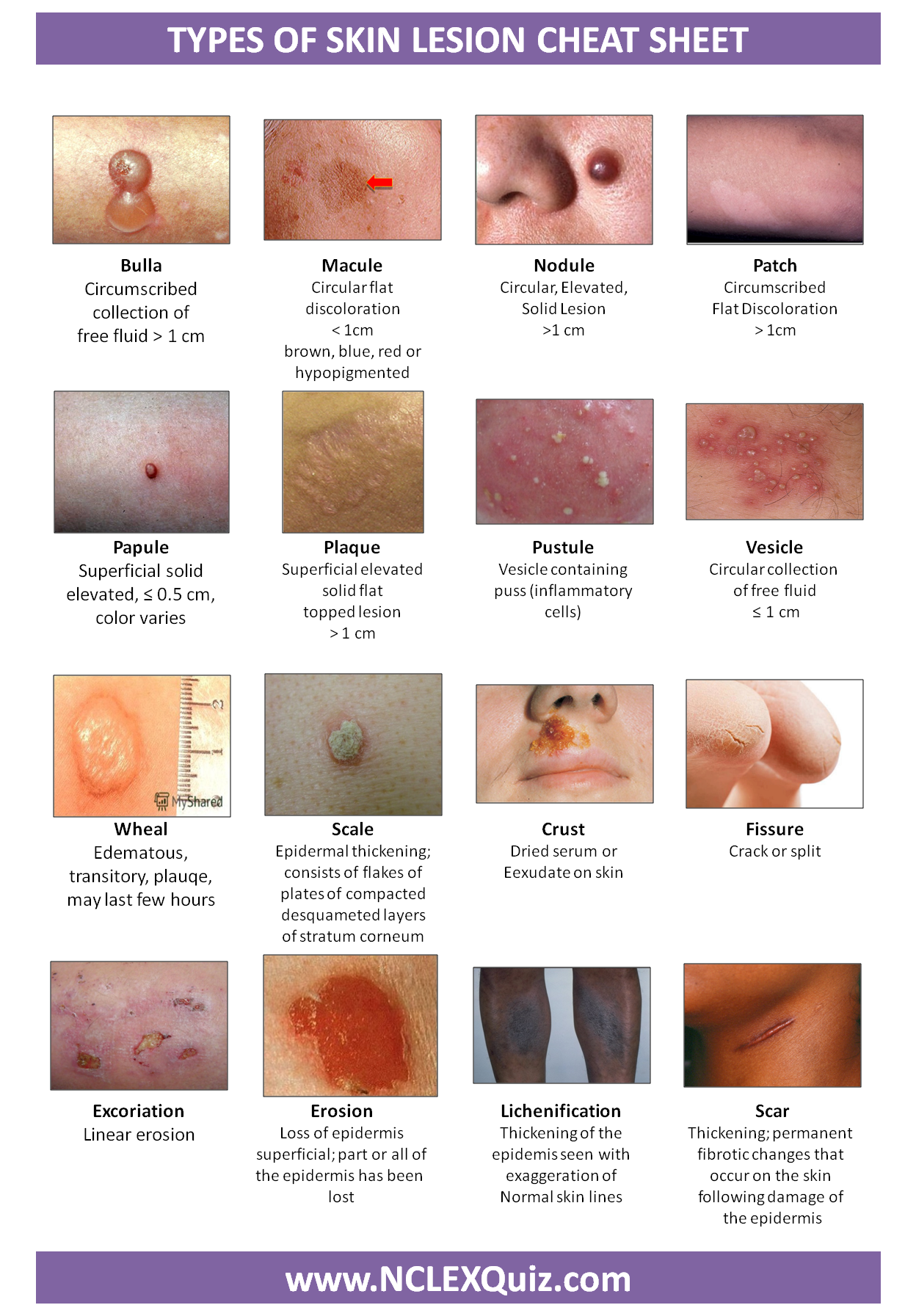
It is no surprise that aging is accompanied by several modifications in our skin. As we age, our skin ends up being thinner, looser, frailer, and much more vulnerable to the development of brand-new skin developments. One of the usual growths that accompany aging is the growth of age places. Age spots are harmless changes to the skin that do not cause discomfort. In some cases, though, their look might create some psychological distress, or even issues regarding skin cancer.
- When your skin is exposed to UV rays gradually, it creates excess melanin-- the pigment that provides skin its color-- as a protective response.
- Medicines such as tetracycline, sulfonamides, acne medicines, some antihistamines and specific joint inflammation medications, such as quinine, might cause skin to come to be sensitive to sunlight.
- Your medical professional may prescribe an aggressive treatment of Retin-A (scrubs so bleaching creams will better pass through) and hydroquinone.
- Study shows that these dark areas, specifically on the face, might appear because of increased melanin levels in the skin brought on by smoking.
While age areas can be treated with various approaches, the best protection is frequently stopping the development of brand-new brown places. Skin specialists advise their patients to hide, wear broad-spectrum sun block (SPF of 30 or higher), and prevent peak hours of the sun (between 10am-- 2pm). Extreme Pulsed Light Treatment (IPL) IPL is a therapy that resembles a laser. It makes use of high intensity pulses of visible light to treat skin disease such as age places.
Prescription-strength topical lotions having ingredients like retinoids, hydroquinone, or kojic acid slowly lighten spots over a number of months when used continually. One vital facet old area analysis entails identifying these benign modifications from potentially serious problems such as cancer malignancy. Real age spots stay flat, preserve constant coloration, and appear comparable to every other. Chemical peeling is among some of the most popular choices for the removal of age areas.
They do not harmed, and they don't typically become anything harmful, yet they can occasionally look like skin conditions that do require clinical interest. National Collection of Medication, Blood Spots age places can be gray, tan, brown or black and appear as flat places on your skin. They can look like round, oblong or irregularly designed sores of various dimensions. The majority of people typically experience age areas in sun-exposed distribution consisting of on their face, shoulders, back, hands and feet.